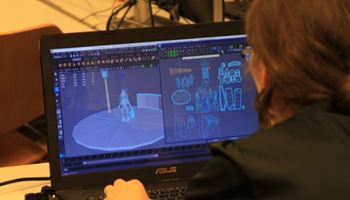
Super Mario, Candy Crush, Angry Birds, Subway Surfers, GTA Vice City – these popular games make us nostalgic about our childhood and remain just as popular today. However, ask yourself, did you ever think about the visual appeal, storyline or the creation of your favourite characters in these video games?
Game designers are the brains behind the conception of these beautiful stories that always hold a place in our hearts. Game design is a field that has shown consistent growth even during shifts in global market trends. If you love creating stories and immersive worlds, a career in game design is the perfect choice for you.
What is Game Design?
The creation of a game consists of different levels, right from developing the storyline to using appropriate graphics. Game designers are responsible for laying the foundation of the game and executing it in line with the initial concept. Artistic techniques are used in game designing to create products that engage the users.
User experience is the primary concern of game development, and the game designers ensure that the game is aligned with the expectations of the user. Popular games like Call of Duty: Vanguard in 2022 have even received Webby Award nominations for superior user experience.
Visualising and creating the graphic world of games that entertains the audience is the chief responsibility in game designing. A game designer ensures that all the features of a game work cohesively to create an engaging experience for the user.
As a designer, you need to make each level of a game interesting and fun for the player to keep them hooked. Games like PUBG have gained attention and popularity worldwide due to its engaging features. The player is the king in the context of game creation and game designers work closely with game developers to create a royal experience for the player.
Scope of Game Design
According to a 2021 Statista survey, there are 3.24 billion active gamers across the globe out of which 715 million are from Europe. This data is enough to show the wide scope of game designing. The world has seen a significant rise in the number of gamers with the widespread reach of electronic gadgets.
The aesthetic appeal of popular games has always caught the eyes of the players and has added to their global success. Game designing is becoming an interesting profession with the demand for designers as high as ever in the entertainment market. The Statista report also suggests that the turnover for the gaming industry will be €268 billion in 2026 which signifies a whopping €90 billion increase from €178 billion in 2021.
The gaming industry is expanding every year to accommodate new ideas and draw the attention of more users to their products. Organisations are often on the lookout for talented designers with adequate knowledge of programming, 2D and 3D animation, designing, storytelling and more.
Apart from this, there is an increased global demand for new games or additional updates on existing games due to the mass digitalisation phenomenon. So, the future of game design is bright with plenty of opportunities on the horizon.
Building a Career in Game Design
A game design career is an exciting option for those who are passionate about gaming and eager to turn creativity into a profession. While being a gamer offers valuable insight into gameplay mechanics, building a successful career in game designing requires the right skills, education, and a strong portfolio. With the right preparation, the gaming industry offers rewarding opportunities for aspiring designers.
The foundation of a strong game designing career begins with education. Completing a high school diploma followed by an associate or bachelor’s degree in game design, graphic design, or a related field helps you develop essential creative and technical skills. Structured learning combined with hands-on training prepares you to meet industry expectations and enhances your visibility to potential employers.
Practical experience plays a vital role in shaping a career in game designing. Internships, collaborative projects, and real-world design exposure allow you to build an impressive portfolio. Creating game prototypes, developing storylines, and working with experienced professionals on game mechanics will help you stand out in a competitive job market.
A game design career also offers strong long-term prospects. According to the U.S. Bureau of Labor Statistics, the multimedia sector, including game design, is projected to grow by 16% over the next decade. This steady growth highlights the increasing demand for skilled professionals and makes pursuing a career in game designing a valuable investment in your future.
Top Career Opportunities with Game Design
The game design industry offers diverse career paths that cater to different skill sets and interests. As a game designer, you can specialise in level design, creating engaging environments and challenges that keep players immersed in the gaming experience. Level designers work closely with artists and programmers to ensure each stage of the game maintains the perfect balance between difficulty and enjoyment.
Another prominent career opportunity is that of a narrative designer, who crafts compelling storylines and character development that drive the emotional connection players have with games. Games like The Last of Us and Red Dead Redemption have shown how powerful storytelling can elevate gaming experiences to new heights. UI/UX designers in gaming focus on creating intuitive interfaces and seamless user experiences that make games accessible and enjoyable for players of all skill levels.
For those with a technical inclination, becoming a technical game designer combines design sensibilities with programming knowledge, allowing you to work on game mechanics, systems design, and gameplay prototyping. Meanwhile, creative directors oversee the entire artistic vision of a game project, coordinating between different teams to ensure the final product aligns with the original concept. The mobile gaming sector has also created opportunities for designers specialising in casual games and free-to-play models, which represent a significant portion of the €268 billion gaming market projected for 2025.
Essential Skills Needed to Build a Career in Game Design
Success in a game designing career requires a balance of technical expertise, creativity, and collaboration. Key skills include:
Technical Skills
- Proficiency in industry-standard software such as Unity, Unreal Engine, and 3D modelling tools.
- Understanding of programming languages like C++, C#, or Python to support game mechanics and prototypes.
Creative Skills
- Strong storytelling and narrative design to craft engaging characters and immersive worlds.
- Problem-solving abilities to balance player experience, technical constraints, and creative goals.
Collaboration Skills
- Effective communication and teamwork, as game development involves working with programmers, artists, sound engineers, and producers.
- Ability to accept feedback and adapt ideas to improve gameplay.
Future-Ready Skills
- Knowledge of emerging technologies such as virtual reality, augmented reality, and AI integration.
- Awareness of player psychology and user experience principles to design intuitive and enjoyable games.
By developing these skills, you can position yourself for a successful game design career and make meaningful contributions to the gaming industry.
Average Game Designer Salaries in 2026
A career in game designing offers competitive compensation that grows with experience and specialization. Entry-level positions provide solid starting salaries, while experienced designers and creative directors in major hubs like Berlin, Hamburg, and Cologne command significantly higher earnings. For detailed information about compensation at different career stages and how to maximize your earning potential in game design, read our comprehensive guide on Starting Salaries in Game Design.
Conclusion
A game design career combines creativity, technology, and storytelling, giving you the opportunity to shape experiences enjoyed by millions worldwide. With the gaming industry projected to reach €268 billion by 2025, the demand for skilled designers continues to grow, making a career in game designing both stable and rewarding.
Whether your interests lie in level design, narrative creation, technical systems, or creative direction, there is a specialisation to match your talents. Success requires dedication to building technical skills, developing a strong portfolio, and gaining practical experience through projects and internships.
By staying current with industry trends and emerging technologies, you can position yourself for long-term success and establish a thriving game designing career. If you have a passion for games and are looking for a place to develop your skills with proper guidance, check out the Bachelor’s in Game Design programme offered at the University of Europe for Applied Sciences.
You will be involved in all the aspects of game designing, from conceptualising the idea to the technical and creative sides of it. As a game designer, you will bring together your individual gaming mechanics to play along with innovative ideas formulated under expert guidance.