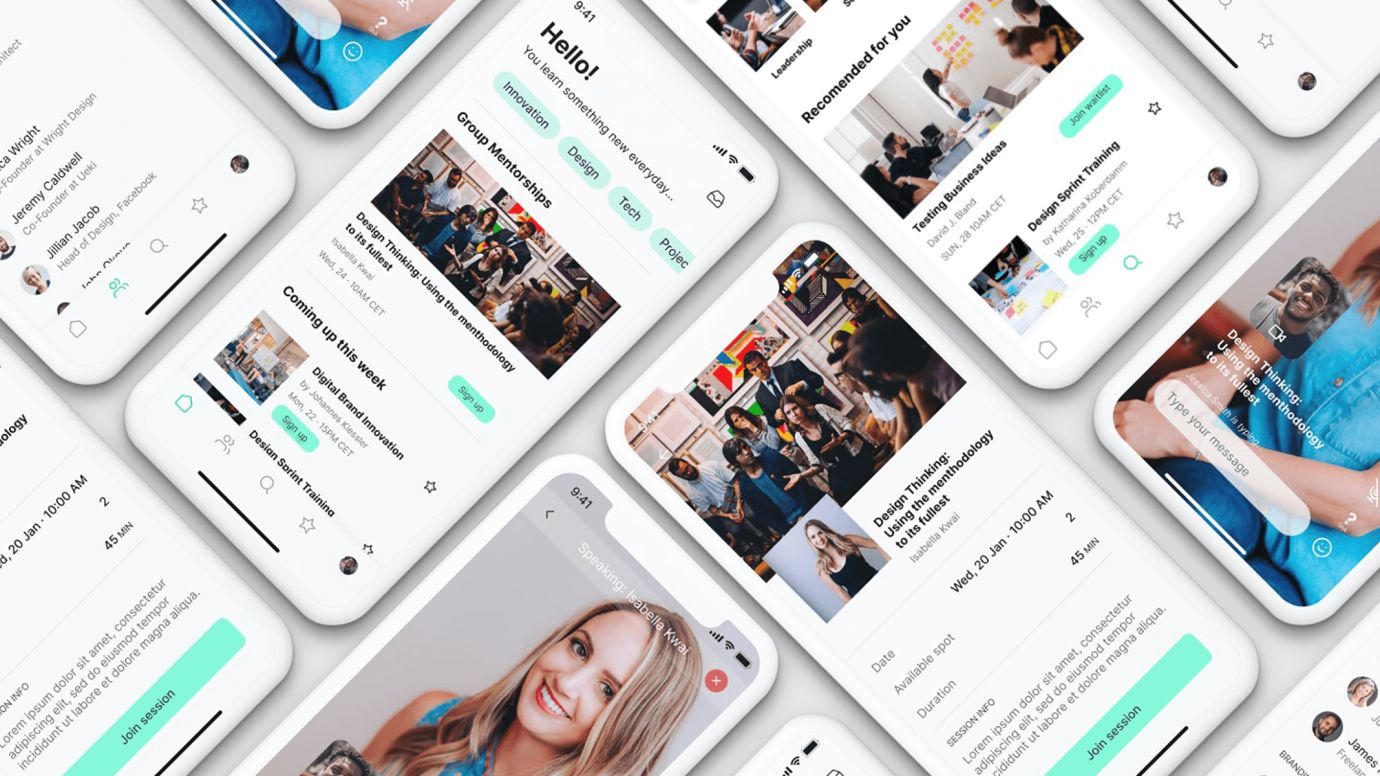
If you’ve spent time on apps like Instagram or Airbnb, you’ve already experienced what thoughtful design can do. A smooth interface, clear navigation, and a layout that is aesthetically pleasing yet functional, is the work of skilled designers who understand how people think and behave online.
That’s exactly what draws many students to a UX UI design degree. It sits at the juncture of creativity and problem-solving, where every design decision shapes how someone feels when using a product.
Choosing a BA UX design programme means stepping into a field that continues to grow as digital products become part of everyday life. Employers are actively looking for designers who can create intuitive, user-friendly experiences — and that demand shows no signs of slowing down.
If you’re weighing up your options or thinking about your UX designer career path, it’s worth taking a closer look at what this field offers and where it can take you next.
What Is UX/UI Design and Why Is It Important?
At its core, UX/UI design is about how people interact with digital products and how those interactions feel. It’s often one of the first areas students explore when asking ‘why study UX UI design?’, because it sits right at the intersection of creativity, technology, and human behaviour.
UI (User Interface) design focuses on what you see: buttons, layouts, colours, and typography. It’s the visual layer that guides users through a website or app. UX (User Experience) design goes deeper. It looks at how a product works, how easy it is to navigate, and whether it actually solves a user’s problem without friction.
For anyone considering a UX UI design degree or mapping out a UX designer career path, this distinction matters. You’re not just learning to design screens; you’re learning to design experiences that people rely on every day.
Strong UX/UI design doesn’t just make products look better. It makes them usable, trustworthy, and worth returning to. That’s exactly why businesses invest heavily in it and why these skills continue to open doors across industries.
Top 5 Reasons to Study UX/UI Design
Let’s start with addressing a basic misconception that a UX professional needs to know coding to be a designer. While useful, this skill is by no means mandatory. What matters more is your understanding of design tools, user behaviour, and how people interact with digital products —one of the core reasons to study UX UI design today.
Along with the necessary knowledge of foundational design practices — wireframing, sketching and prototyping, you must think like a designer. The product you design should meet the requirements of the organisation and the user.
Pursuing a BA UX design or a UX UI design degree will give you the technical grounding you need, while also strengthening soft skills like communication and empathy. You’ll also develop a solid understanding of UI, which naturally complements UX in everyday projects.
High in demand
Google has made it clear that websites offering a strong user experience are more likely to rank higher in search results. Business and product leaders have hence put more focus on improving user experience design. Since a good UX has a direct impact on revenue, organisations are in dire need of UX professionals.
Choosing a UX UI design degree can open the door to a stable and rewarding profession. With Europe continuing to support start-ups and digital innovation, the need for UX and UI designers is steadily increasing.
Implement new technologies
The purpose of creating an e-commerce website or an app is to keep customers hooked and generate sales. For this, a great user experience is crucial. The reason why people spend hours on Instagram or prefer Booking.com to book their stays is all due to a great user experience design.
Therefore, as a UX/UI professional, you are implementing new design solutions to give users a superior experience. As the industry revolutionises, you are expected to take a deeper look into the user’s perspective to create a more accessible product with a great UX and UI.
Excellent career opportunities
With a UI/UX degree, you will become applicable for a variety of job roles such as UI Designer, UX Designer, UX Researcher, UX Writer, UX Engineer and more. This field allows you to look into several branches of specialisation as there are many subsets of UX Design.
The UX designer career path is particularly flexible. You could specialise as an Information Architect, organising content so it’s easy to navigate, or move into visual design, focusing on layouts, icons, and interfaces. There’s also room to explore more technical areas if you’re interested in development.
Similarly, if you are interested in design and development, or even coding for that matter, you can try out different speciality areas within UX/UI itself.
Earn well
An essential prerequisite for taking up any profession is the salary it will provide you. Given the importance of UX/UI designers in the current times, the remuneration with the job role is fairly satisfactory.
As per Glassdoor, a UX Designer in Germany earns an average of €53,002 annually while in the US, the pay is $75,000. Apart from this, you enjoy tremendous growth opportunities with a consistent increase in salary.
Work across industries
One of the often-overlooked advantages of UX/UI design is how transferable the skill set is. Every sector—from healthcare and finance to education and entertainment—relies on digital products that people can use with ease.
This means you’re not limited to one type of company or role. As your experience grows, you can move between industries, apply your knowledge in different contexts, and keep your work varied and interesting. It’s a level of flexibility that many careers don’t offer.
What Do You Learn in a BA UX/UI Design Degree?
A BA UX design or UX UI design degree gives you a clear foundation in how digital products are planned, designed, and refined.
You’ll start with core design skills such as wireframing, prototyping, and user journey mapping. These are the building blocks that help you turn an idea into something users can actually interact with. Alongside this, you’ll explore visual design, such as typography, layout and colour — and how these elements guide user behaviour.
There’s also a practical side to your learning. Most programmes include practical projects that mirror real industry briefs, giving you the chance to build a portfolio as you go.
By the time you graduate, you’ll have a body of work that shows not just what you designed, but how you approached each problem.
Skills You Need to Become a UX Designer
A career in UX/UI design brings together technical know-how and an understanding of how people think and behave. If you’re considering a UX UI design degree or exploring a UX designer career path, these are the skills you’ll develop along the way:
Wireframing and prototyping
You’ll learn how to sketch ideas quickly and turn them into interactive models. Early concepts often start on paper before moving into digital tools, giving you space to test and refine without overcomplicating things.
User research and testing
Good design begins with listening. You’ll gather feedback, observe how people use products, and adjust your work based on real behaviour.
Visual design fundamentals
Layout, typography, colour, and spacing all shape how a product feels. Over time, you develop an eye for what works — and just as importantly, what doesn’t.
Understanding how products are built
You don’t need to code, but knowing how websites and apps come together helps you design with realistic expectations. It also makes collaboration with developers far smoother.
Information architecture
This is about organising content so users can find what they need without frustration. It’s one of those skills that often goes unnoticed when done well, but makes a huge difference to the overall experience.
Communication and collaboration
UX design is rarely a solo effort. You’ll present ideas, explain decisions, and work closely with others to bring a product to life.
Time management and prioritisation
Projects often move quickly, with shifting requirements. Learning how to focus on what matters most, and when, will help you stay on track.
For many students, this mix of creative and analytical thinking is one of the most convincing reasons to study UX UI design. It’s a skill set that stays relevant as you grow, adapt, and take on new challenges.
Career Opportunities in UX/UI Design
A UX UI design degree opens doors to a wide array of roles, each with its own focus and creative challenges. If you’re considering a UX designer career path, understanding the opportunities ahead can help you shape your studies and skill-building.
| UI/UX Designer | You’ll design intuitive digital interfaces, from wireframes to interactive prototypes. Balancing usability with aesthetics, this role demands both creative vision and analytical thinking. |
| UX Researcher | Focused on understanding user behaviour, needs, and pain points, UX Researchers assemble insights through interviews, surveys, and usability testing. Their findings guide design decisions that truly serve the end user |
| Interaction Designer | Specialising in micro-interactions, animations, and transitions, Interaction Designers ensure that digital experiences feel fluid and engaging. |
| Web Developer with UX Expertise | Combining coding knowledge with design sensibilities, you’ll create responsive websites and applications that function smoothly while keeping users engaged. |
| Product Designer | Overseeing the design lifecycle, Product Designers integrate strategy, creativity, and technical skills to deliver solutions that meet both business goals and user expectations. |
| Freelance UI/UX Consultant | Freelancing offers flexibility and variety. You’ll collaborate with global clients on projects, moulding solutions to specific user needs while building a versatile portfolio. |
Conclusion
Are you considering studying a BA UX/UI Design degree to build a strong foundation for your creative career? The Bachelor of Arts in UX/UI Design at The University of Europe for Applied Sciences (UE) equips students with both the theory and practical experience needed to prosper in the field.
The programme covers essential areas such as cognitive science, emerging technologies, and product development, giving you a well-rounded understanding of how users interact with digital products.
By the end of the course, you’ll not only master design techniques but also develop problem-solving and research skills that make you ready to create intuitive, user-centred experiences.
This is only one of many reasons to study UX UI Design if you want a career that blends creativity, strategy, and impact.