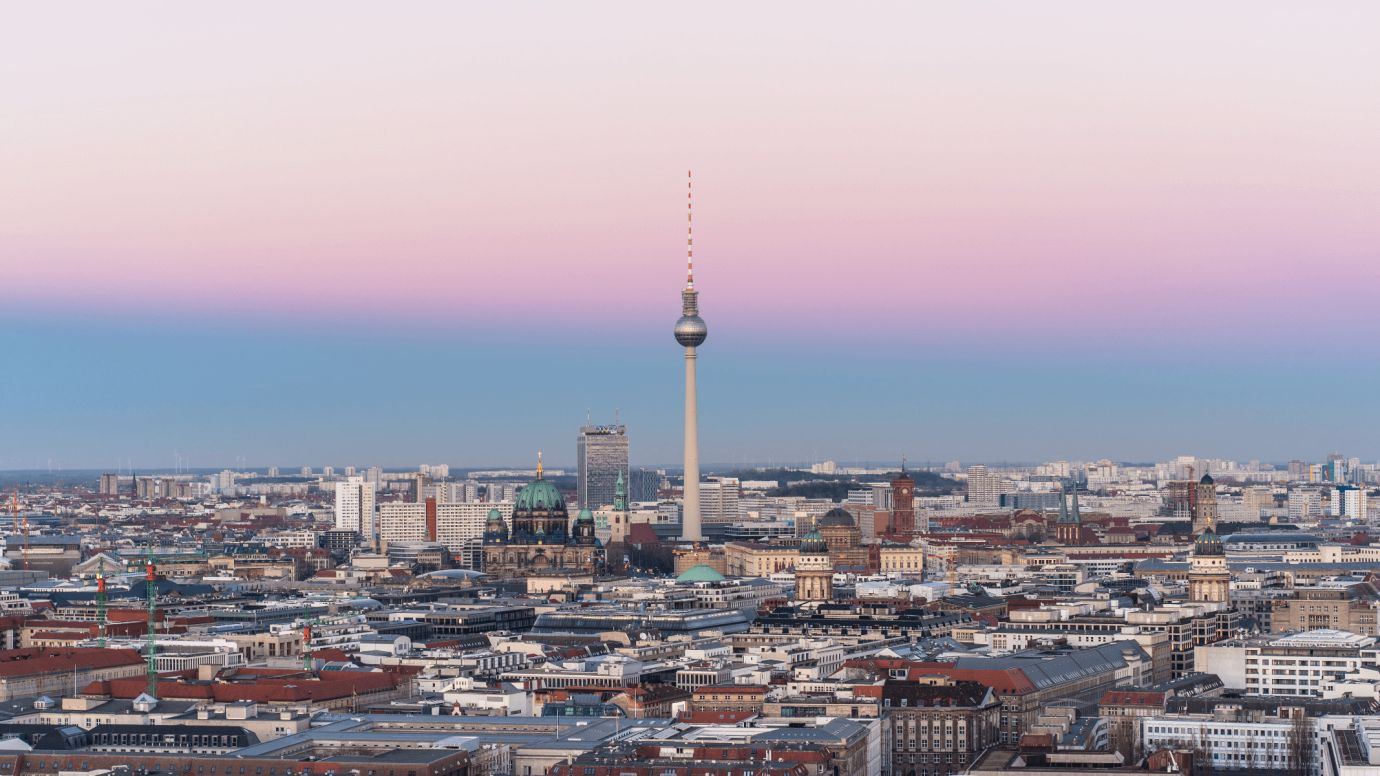
Choosing where to study abroad is one of the most important decisions you will make as an international student. Germany has become increasingly popular among students worldwide, offering world-class education at institutions like the University of Europe for Applied Sciences. With Germany’s determination to achieve carbon neutrality by 2040, the country is at the forefront of sustainable development and green innovation. But which German city is right for you?
The best cities to study in Germany for international students combine academic excellence with quality of life, affordability, and career opportunities. In this guide, we’ll explore the top 10 German cities for international students and what makes each destination special.
Top 10 Cities in Germany for International Students
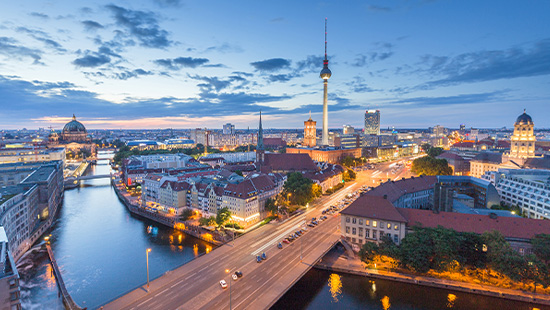
Berlin, Germany's capital, is a dynamic metropolis known for its rich history, diverse culture, and thriving start-up ecosystem. The city boasts numerous prestigious universities, making it one of the most popular destinations for international students in Europe.
Why Study in Berlin
Berlin stands out with over 200,000 students and a significant international community representing more than 190 countries. The city's renowned startup scene provides excellent internship opportunities in technology and creative industries. Living costs remain affordable compared to other European capitals, while the extensive public transportation network connects all districts efficiently.
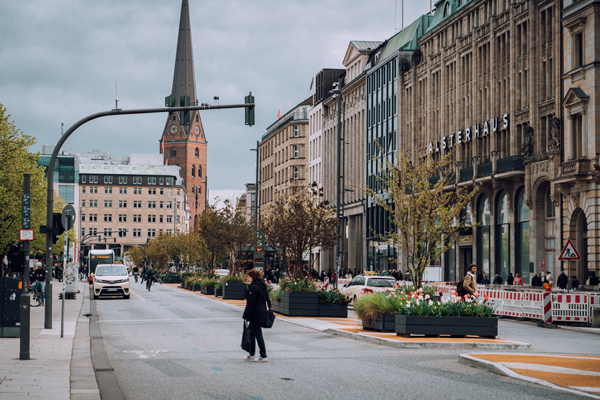
Hamburg, Germany’s second-largest city, is a major port city known as the “Gateway to the World.” It combines maritime heritage with modern commerce and media industries while maintaining a reputation for high quality of life.
Why Study in Hamburg
Hamburg offers international students a perfect blend of professional opportunities and lifestyle quality. As a major hub for media, logistics, and aviation industries, it provides excellent job prospects. The city is one of Germany’s greenest cities, with over 540 km² of green spaces. Hamburg aims to be CO2 neutral by 2040 and is developing a completely new, digitised and networked urban mobility system. The city’s focus on renewable energy, sustainable urban development, and climate-friendly mobility makes it an ideal destination for environmentally conscious students. Hamburg’s cosmopolitan atmosphere and English-friendly environment make integration easy.
3) Munich
Munich, the capital of Bavaria, is renowned for its blend of traditional Bavarian culture and innovative technology. Home to world-famous events like Oktoberfest, Munich houses some of Germany’s most prestigious universities.
Why Study in Munich
Munich is ideal for students pursuing careers in engineering, technology, and business. The city hosts headquarters of BMW, Siemens, Allianz, and numerous Fortune 500 companies, creating exceptional internship opportunities. While living costs are higher, the investment pays off through superior academic programs and strong salary prospects.
4) Stuttgart
Stuttgart is the capital of Baden-Württemberg and a global centre for automotive engineering. Home to Mercedes-Benz and Porsche headquarters, it combines industrial prowess with picturesque vineyards and green spaces.
Why Study in Stuttgart
For students interested in automotive or mechanical engineering, Stuttgart offers unparalleled opportunities. Strong connections between universities and industry leaders facilitate exceptional internships and research collaborations.
5) Frankfurt
Frankfurt am Main is Germany’s financial capital and a major European business hub. Despite its business focus, Frankfurt maintains a vibrant cultural scene with world-class museums and historic landmarks.
Why Study in Frankfurt
Frankfurt excels for students interested in finance, business, economics, and international relations. As home to the European Central Bank and over 300 financial institutions, the city provides exceptional networking opportunities. With residents from over 180 countries, Frankfurt’s multicultural population creates a globally minded atmosphere perfect for international students.
6) Leipzig
Leipzig is a historic city known for its musical heritage—Bach, Wagner, and Mendelssohn all called Leipzig home. Today, this creative hub combines artistic tradition with modern innovation as one of Germany’s fastest-growing cities.
Why Study in Leipzig
Leipzig represents exceptional value with some of Germany’s most affordable accommodation and living costs. The flourishing arts community and growing start-up scene attract students interested in media, arts, and entrepreneurship.
7) Dresden
Dresden, Saxony’s capital, is celebrated for its stunning baroque architecture and rich cultural heritage. Nicknamed the “Florence on the Elbe,” Dresden combines historical splendour with cutting-edge research and technology sectors.
Why Study in Dresden
Dresden offers affordable education without compromising quality. The city excels in engineering and natural sciences while maintaining notably lower living costs. Dresden serves as a growing technology hub, home to Europe’s largest microelectronics cluster, creating opportunities in semiconductor technology and advanced materials.
8) Aachen
Aachen, located near the borders with Belgium and the Netherlands, is a compact university city with a distinguished academic reputation. The city centres around one of Europe’s leading technical universities.
Why Study in Aachen
With approximately one-third of its population being students, Aachen creates an exceptionally student-friendly atmosphere. Universities are particularly renowned for engineering and computer science. Aachen’s location at three countries’ intersection provides unique cultural experiences, with Belgium and the Netherlands just minutes away.
9) Bonn
Bonn, situated along the Rhine River, served as West Germany’s capital and retains an international character as home to numerous UN agencies. This mid-sized city combines governmental heritage with academic excellence.
Why Study in Bonn
Bonn’s concentration of 20+ UN agencies and NGOs makes it ideal for students interested in international relations and policy work. This creates abundant internship possibilities with organizations like the UN Climate Change Secretariat, providing practical experience that enhances career prospects.
10) Cologne
Cologne is famous for its stunning Gothic cathedral, vibrant carnival celebrations, and thriving media industry. Located on the Rhine River, the city successfully blends its 2,000-year history with modern creative sectors.
Why Study in Cologne
Cologne attracts students through its combination of academic excellence and cultural vibrancy. As Germany’s media capital hosting major broadcasters and production companies, it creates excellent opportunities in communications and marketing.
Top Factors to Consider When Choosing the Best German City to Study
Academic Programmes: Research which cities offer the strongest programmes in your field. Munich and Stuttgart excel in engineering, Frankfurt in finance, and Berlin offers diverse programmes.
Cost of Living: Living costs vary significantly. While Munich and Frankfurt are more expensive, Leipzig and Dresden offer excellent value.
Career Opportunities: Consider cities aligned with your goals—finance in Frankfurt, automotive in Stuttgart, media in Cologne, and startups in Berlin.
International Community: Cities with larger international populations like Berlin and Frankfurt make integration easier.
Quality of Life: Consider what lifestyle appeals to you—Berlin’s fast pace, Munich’s traditions, or intimate university towns like Aachen.
Conclusion
Germany offers exceptional opportunities for international students across its diverse cities. The best cities share common strengths: excellent universities, strong industry connections, efficient infrastructure, and welcoming communities. Your ideal choice depends on your field of study, career aspirations, budget, and lifestyle preferences.
Ready to start your German education journey? Contact us to learn more about studying at the University of Europe for Applied Sciences and discover which city aligns with your goals.