Driving Tomorrow’s Solutions Today
Graduates acquire an extensive, detailed and critical understanding of the knowledge necessary to design and engineer electric and autonomous vehicles, considering safety and reliability standards. Furthermore, they are able to acquire new knowledge independently as well as to develop scientific issues and to work on them basing on the current state of the art, in order to develop innovative solutions, do analysis and optimization of transportation systems to improve efficiency, sustainability, and safety.

Curriculum
MSc Smart Mobility
Key facts about Smart Mobility
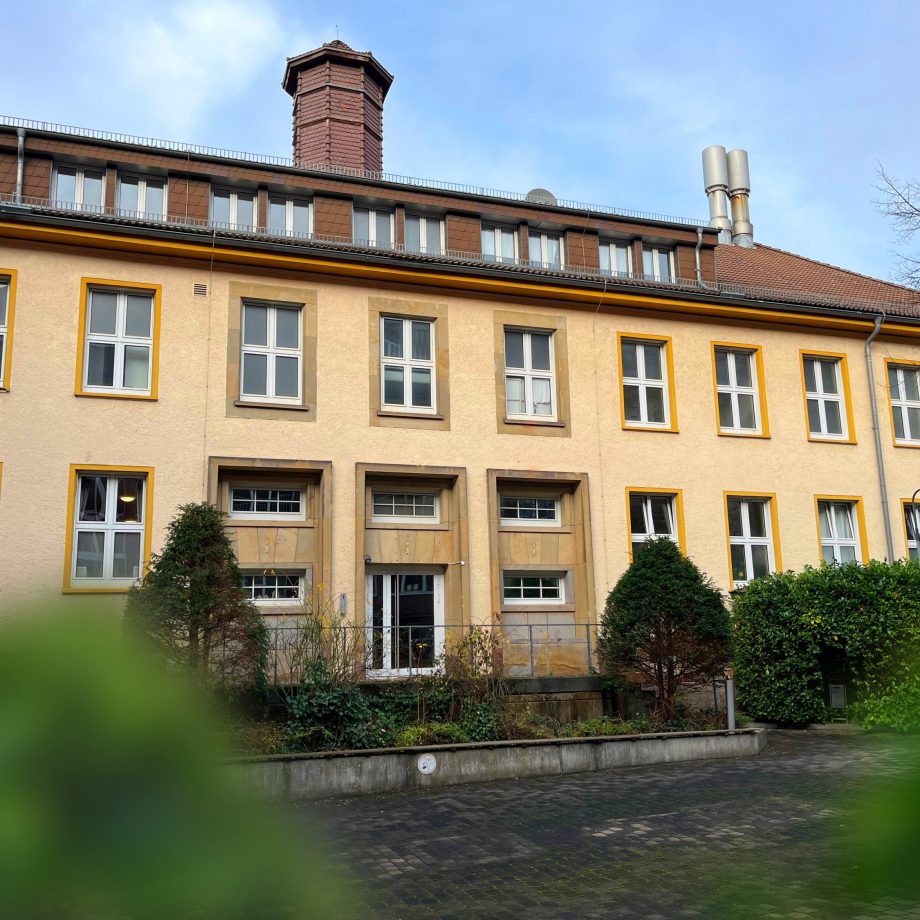
Check out our Locations
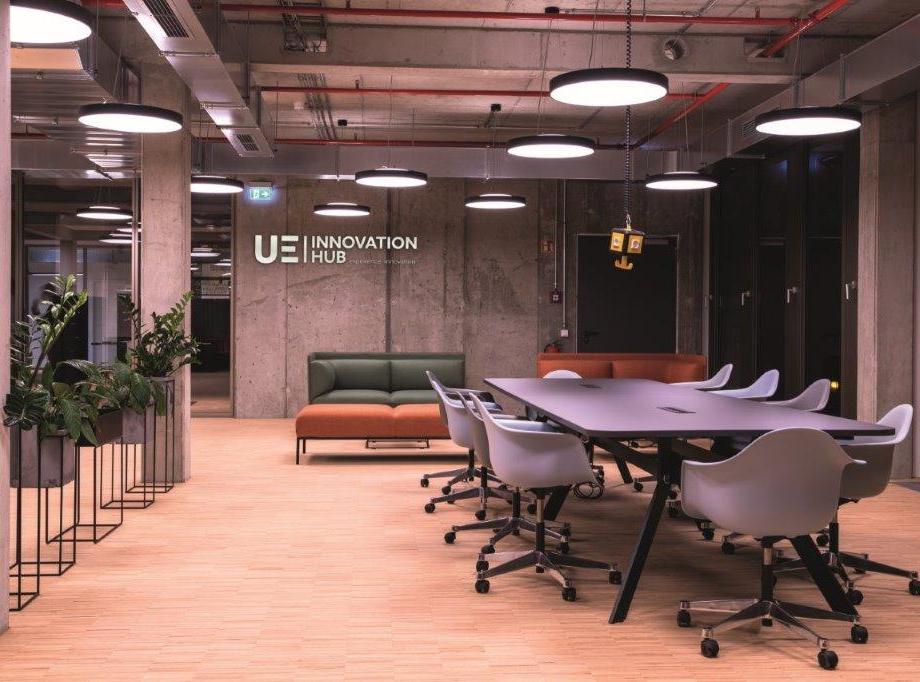
Find out everything about our location in UE Innovation Hub!
Immerse yourself in a cities full of culture, diversity, and opportunities!
Not on site? Then discover your future study location easily with the Virtual Campus Tour.
Admission Requirements
Here are some things you will require for your application at the UE:
- Completed admission form
- CV & Copy of passport
- Completion of a Bachelor’s degree
- Good English language skills (at least B2)
- Basics in Statistics (at least 3 ECTS or a pre-master course at UE)
- A portfolio is not required
Semesters & Credits
- 120, 90 or 60 ECTS
- Master of Science MSc
- Teaching language: English
- The programme starts in both the winter (September) and summer (March) term each year.
- Study and examination regulations
Fees
From €8.158 per year*
*Speak to one of our student advisors about available savings and financial support.
Got questions about financing? Check out our fees!
Here is why you should study at UE?



Spotlight Module "Smart Cities & Urban Mobility"
In the Smart Cities & Urban Mobility module, students explore how cities can be transformed through intelligent, sustainable transportation systems. They gain a solid understanding of mobility challenges such as congestion, pollution, and limited urban space, and learn how to design innovative solutions.
The module focuses on transportation systems, data driven modelling, and smart technologies such as connected vehicles, intelligent traffic management, and mobility platforms. Students also examine the role of public transport, policy frameworks, and environmental considerations in shaping future urban mobility.
By the end of the module, students are able to analyse complex mobility systems, apply modelling and simulation techniques, and develop sustainable, technology driven solutions for modern cities.

What happens after your studies?
Content of the Course
Core topics include traffic flow theory, transportation modelling, and simulation methods, as well as the use of data analytics and big data to optimise mobility systems. Students gain insight into Intelligent Transportation Systems, connected mobility technologies, and real time traffic management. The course also addresses sustainable transport strategies, public transit planning, and the impact of emerging technologies such as autonomous vehicles.
In addition, students examine policy and regulatory frameworks and the role of governments and stakeholders in developing efficient and sustainable urban mobility solutions.
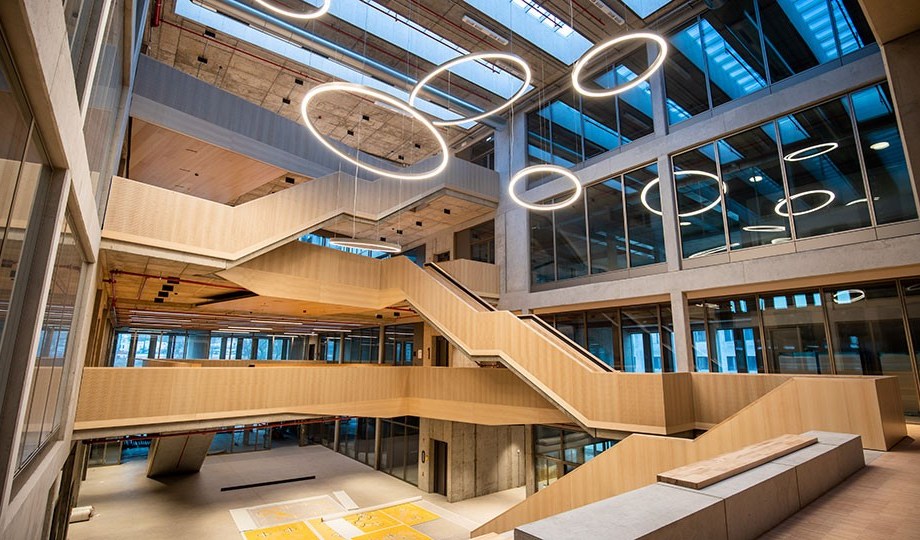
Study at the UE Innovation Hub!
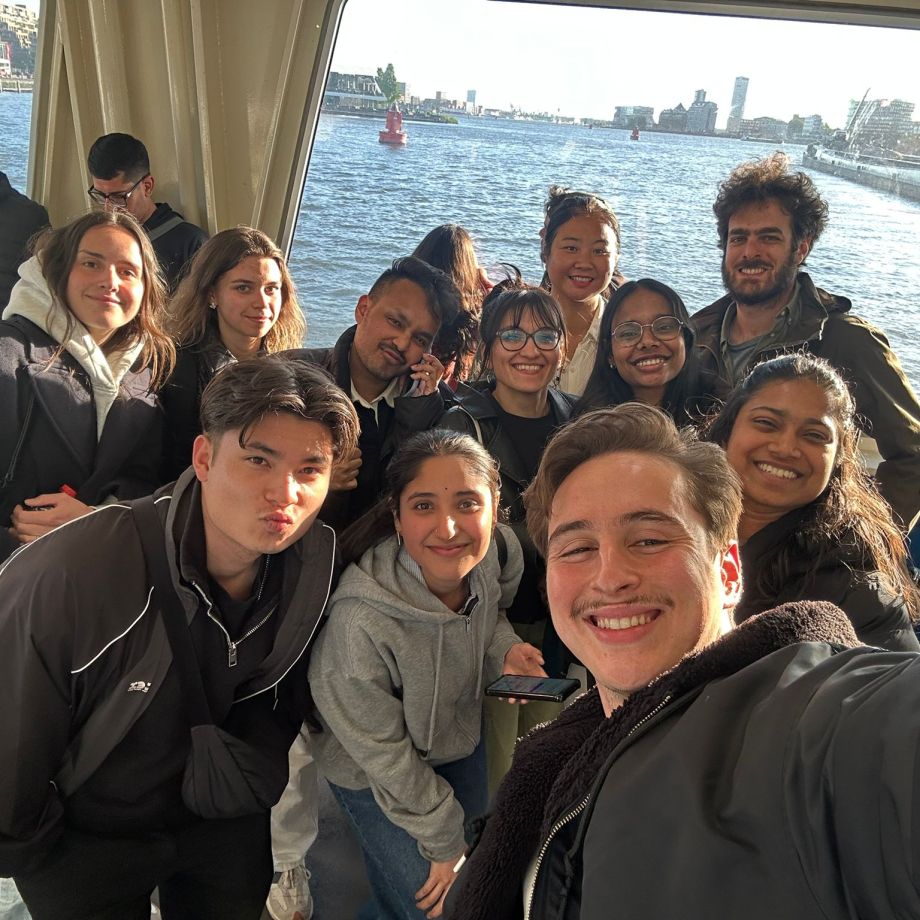
Choosing the Smart Mobility Master's programme at UE means more than a degree. You join a diverse international community (students from over 140 nationalities) in a forward-thinking environment focused on real-world projects, innovation, and practical skills. The programme gives you the technical knowledge, strategic perspective, and international network to lead change in sustainable transport and urban mobility.
Frequently Asked Questions
Everything you need to know about studying M.Sc Smart Mobility at UE Germany. From career prospects to programme length, we’ve answered the questions that matter most to prospective students.




Learn from our Experts
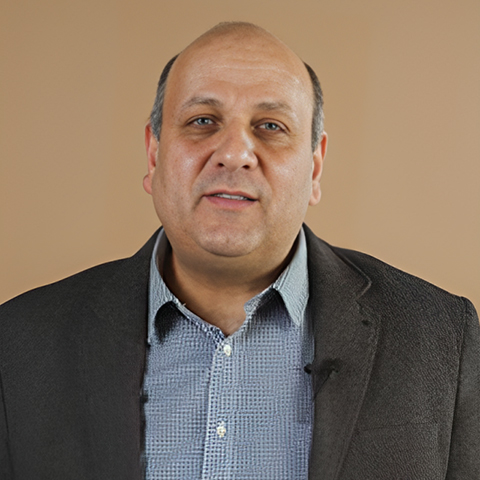
Here you will find further valuable information about our professors and their career.