Empowering Tomorrow's Innovators in Robotics Engineering
knowledge and expertise in the field of robotics, which combines aspects of software engineering
and Artificial Engineering.
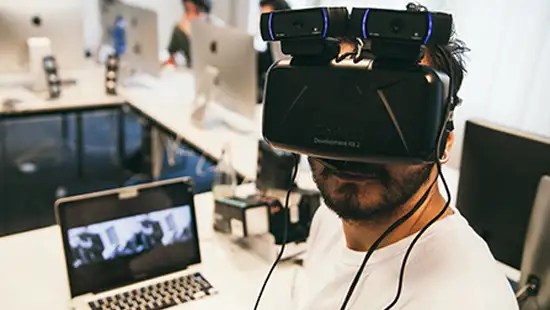
In this Robotics Engineering master’s programme, students not only learn understanding the principles, theories and technologies of robotics. This includes the acquisition of advanced knowledge in areas such as robot control systems, perception, machine learning and pattern recognition. Hands-on experiences in laboratory work and projects to provide practical skills in areas such as robot programming, system integration, sensor integration, and real-world application development
Curriculum
MSc Robotics Engineering
Key facts about Robotics Engineering
Check out our Locations
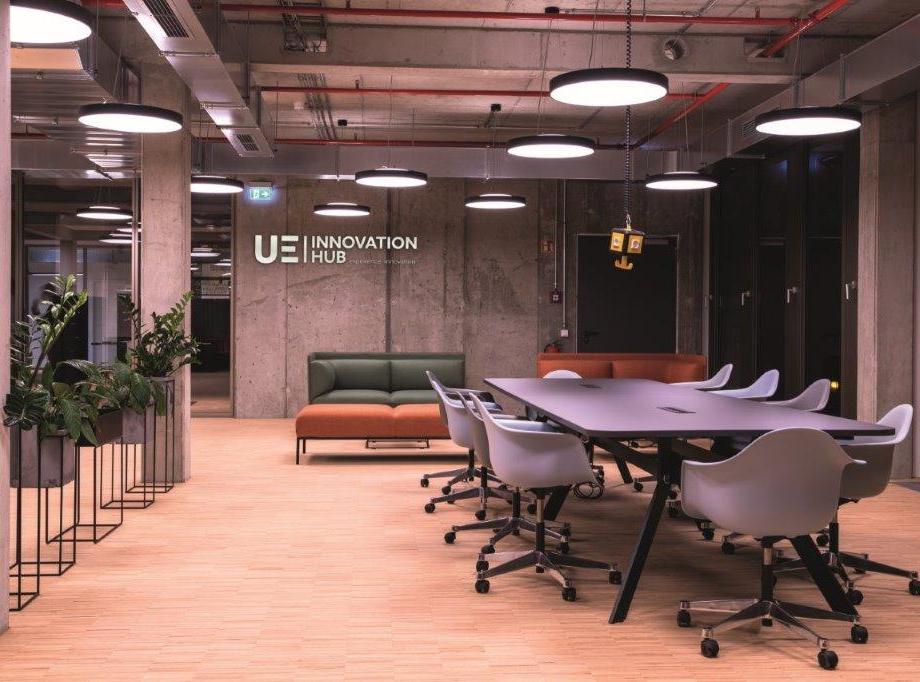
Find out everything about our locations in UE Innovation Hub!
Immerse yourself in a cities full of culture, diversity, and opportunities!
Not on site? Then discover your future study location easily with the Virtual Campus Tour.
Admission Requirements
Here are some things you will require for your application at the UE:
- Completed admission form
- CV & Copy of passport
- Completion of a Bachelor’s degree
- Good English language skills (at least B2)
- Basics in Statistics (at least 3 ECTS or a pre-master course at UE)
- A portfolio is not required
Semesters & Credits
- 120, 90 or 60 ECTS
- Master of Science MSc
- Teaching language: English
- The programme has three intakes each year: January, March (summer term), and September (winter term).
- Study and examination regulations
Fees
From €8.158 per year*
*Speak to one of our student advisors about available savings and financial support.
Got questions about financing? Check out our fees!
Here is why you should study at UE?



Spotlight Module "Robot Kinematics and Dynamics"
In the Robot Kinematics and Dynamics module, students develop a strong understanding of the mathematical principles behind robot motion and behaviour. They explore how robots move, how joint positions relate to end effector movement, and how forces and torques influence robotic systems.
The module covers forward, inverse, and differential kinematics, as well as key concepts in robot dynamics such as inertia, Coriolis and centrifugal forces, and gravity effects. Students also work with simulation and software tools to model robotic systems, analyse movement, and evaluate control strategies.
By the end of the module, students are able to solve kinematic problems, simulate robot behaviour, and understand how motion and control interact in different robotic applications.

What happens after your studies?
- Robotics Engineer
- Automation Engineer
- AI & Machine Learning Engineer
- Embedded Systems Developer
- Control Systems Engineer
- Research & Development Engineer
- Robotics Software Developer
- Industrial Automation Specialist
With expertise in designing and implementing robotic solutions, graduates can work in sectors such as manufacturing, healthcare, logistics, automotive, aerospace, and smart technologies. The programme also provides a strong foundation for pursuing doctoral research or entrepreneurial ventures in robotics and AI.
Want to explore the career outlook in more detail? Read our guide, Is Robotics Engineering a Good Career in Germany?
Content of the Course
-Robot Kinematics and Dynamics
-Robot Programming
-Pattern Recognition
-Advanced Robotics Courses
-Machine Learning
-Human-Robot Interaction
-Electronics and Control Systems
-Control Systems Engineering
-Mechanical Engineering
In addition to program-specific modules, students can customize their curriculum by selecting additional modules from the UE faculty based on personal interests and desired specialization.
Frequently Asked Questions
Everything you need to know about studying M.Sc.Robotics Engineering at UE Germany. From career prospects to programme length, we’ve answered the questions that matter most to prospective students.


“My favourite part about studying here was the course Machine learning and the professors here have comprehensive knowledge about it.”
– Iman Kazemi, Software Engineering Alumni


Learn from our Experts
Here you will find further valuable information about our professors and their career.